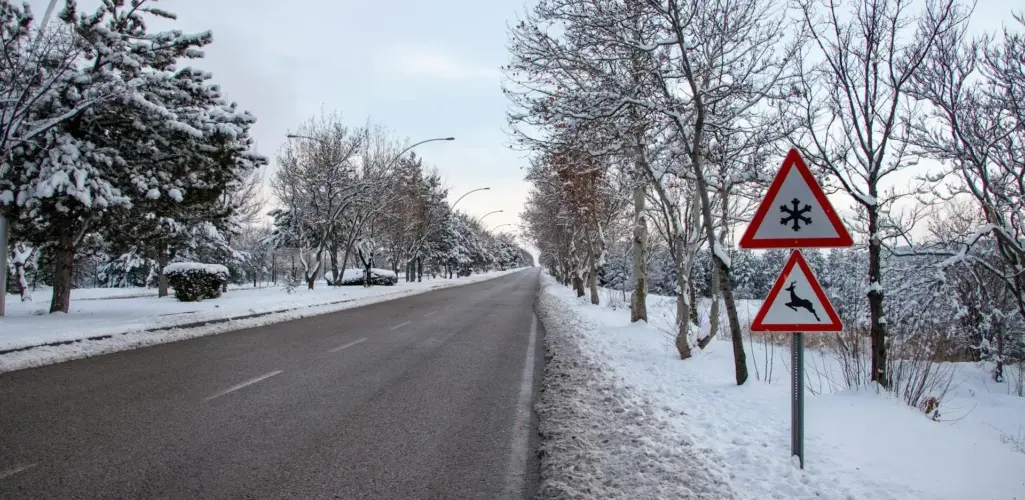
Winter brings colder temperatures, slick roads, and new risks for homeowners and drivers. From frozen pipes to icy driveways, seasonal hazards can lead to unexpected insurance claims if you’re not prepared.
Here are five important winter considerations that can help protect your home, vehicle, and insurance coverage during the colder months.
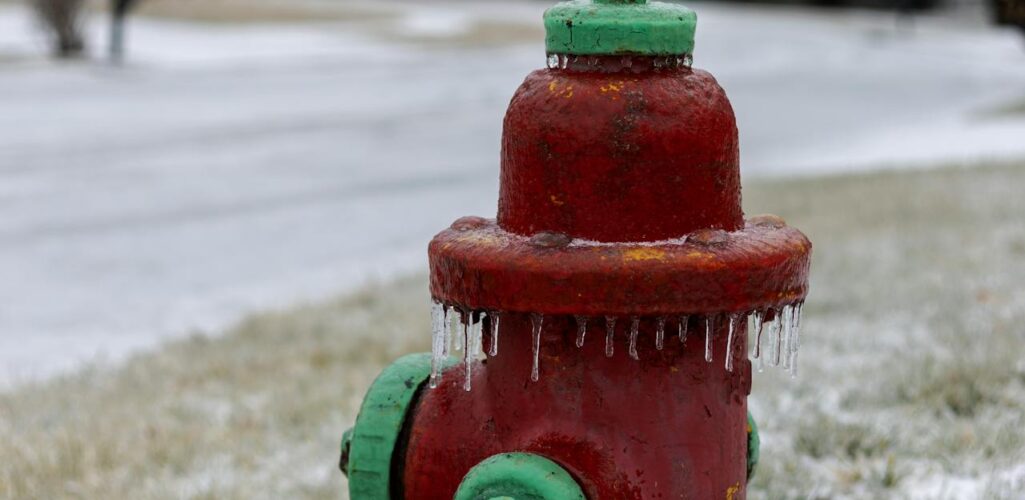
1. Prevent Frozen Pipes
When temperatures drop, exposed pipes can freeze and burst—causing extensive water damage to your home.
How to reduce the risk:
- Install frost-proof hose bibs
- Insulate exposed pipes in basements, crawlspaces, and garages
- Keep garage doors closed during freezing temperatures
Water damage from frozen pipes may be covered under your homeowners insurance, but prevention is always the best defense.
2. Drive Safely on Snow and Ice
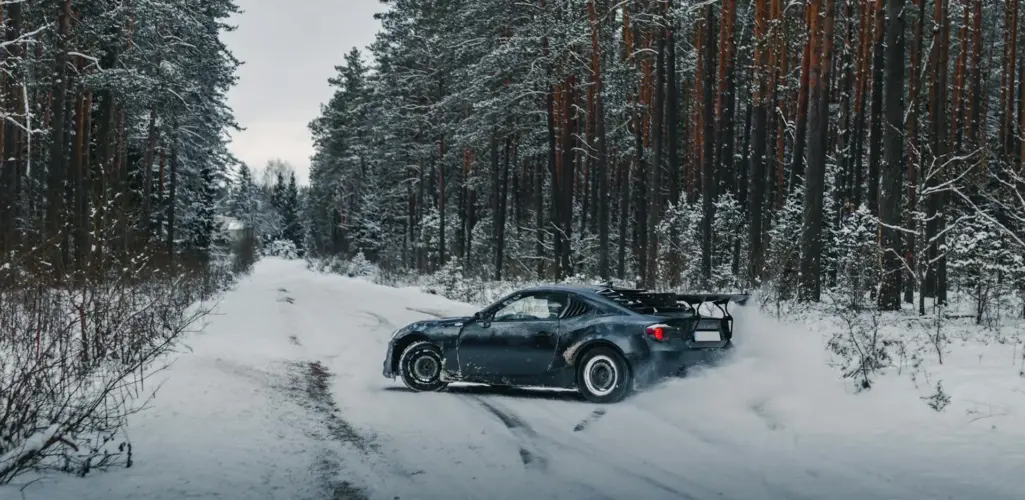
Winter driving conditions significantly increase the risk of auto accidents. Snow, ice, and poor visibility require extra caution.
Winter driving tips:
- If your vehicle starts to slide, ease off the gas and avoid slamming the brakes
- Keep windshield washer fluid filled for slushy, muddy roads
- Check weather conditions before traveling
- Allow extra travel time so you can drive slower and maintain safe distances
Having the right auto insurance coverage is essential during winter months.
3. Reduce Slip-and-Fall Liability
With more deliveries during winter, homeowners should be mindful of potential slip-and-fall hazards.
Ways to reduce liability risks:
- Clear ice and snow from driveways and walkways
- Keep stairs and entryways well-lit and ice-free
- Secure extension cords and remove trip hazards
Failing to address these hazards could lead to liability claims covered under your home insurance policy.
(And a big thank you to delivery drivers who brave winter conditions!)
4. Review Your Insurance Policy
Life changes—and your insurance coverage should keep up.
You may need a policy update if you’ve:
- Completed a kitchen or home remodel
- Purchased jewelry, art, collectibles, or antiques
- Started driving less or working remotely
- Want to shop rates or adjust coverage limits
Our G&G Independent Insurance team can review your policies and help you find the right balance of coverage and cost.
5. Watch for Rodent Damage
Rodents seek warmth during winter and can cause serious damage to wiring, insulation, and plumbing. Unfortunately, rodent damage is often not covered by homeowners insurance.
Prevention tips:
- Seal holes and gaps in crawlspaces and access panels
- Repair damaged screens and vents
- Store food and pet food in sealed, airtight containers
- Keep storage areas clean and clutter-free
If you suspect rodents, contact a professional before damage escalates.
Final Thoughts
Winter brings unique risks that can impact both your property and your insurance coverage. Taking proactive steps now can help prevent costly claims and coverage gaps later.
Frequently Asked Questions
Does homeowners insurance cover frozen pipes?
In many cases, yes—provided reasonable steps were taken to maintain heat and prevent freezing. Damage caused by neglect may not be covered.
Are winter car accidents covered by auto insurance?
Yes. Accidents caused by snow or ice are typically covered under collision or liability coverage, depending on fault and your policy limits.
Can I be held liable for slips and falls on icy driveways?
Yes. Homeowners may be held liable if a delivery driver or guest is injured and reasonable steps (such as salting or clearing ice) were not taken.
Is rodent damage covered by homeowners insurance?
Usually not. Most policies exclude damage caused by rodents, which is why prevention is critical.
Should I review my insurance policy before winter?
Yes. Winter is a great time to review coverage, especially if you’ve made home improvements or lifestyle changes.
Not sure if your insurance is ready for winter?
Contact us today or request a free policy review.
We’ll review your coverage, explain your options, and help you stay protected all season long.