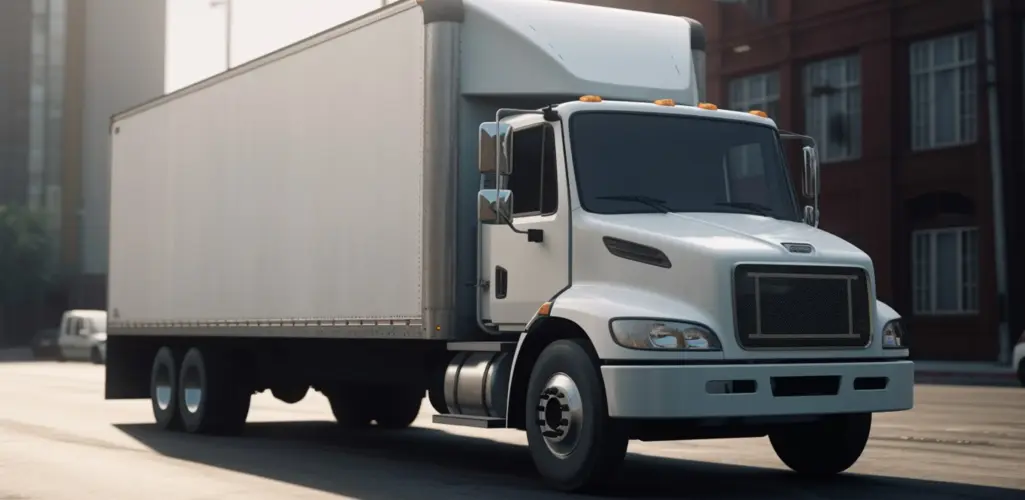
Commercial box truck insurance coverage isn’t just another business expense—it’s the safety net that keeps your deliveries moving, your contracts active, and your business protected from costly surprises, whether you’re operating a 16-foot local delivery truck or running a full fleet of 26-footers. Understanding what commercial box truck insurance covers matters more than ever.
In this guide, we explain key coverages, contract requirements, and how our independent insurance agency helps box truck operators stay fully protected.
Why Box Truck Insurance Coverage Matters
Running a box truck business—whether you handle last-mile delivery, moving services, contract routes, or independent hauling—comes with real financial risks. The right insurance protects your business from lawsuits, damaged cargo, breakdown-related losses, and costly repairs.
Who Needs Box Truck Insurance?
- New box truck operators
- Independent delivery contractors
- Final Mile and local delivery drivers
- Moving companies
- Fleet owners
- Anyone researching what box truck insurance covers
Without proper coverage, operators may face:
- Contract cancellations
- Out-of-pocket repair costs
- Unpaid cargo claims
- Fines and legal penalties
- Legal penalties
What Commercial Box Truck Insurance Typically Covers
Below is a breakdown of the most common coverages found in a commercial box truck policy.
Primary Liability Insurance (Required)
Primary liability is required by law and forms the foundation of commercial box truck insurance. It covers:
- Bodily injury you may cause to others
- Property damage from an accident
Example: If your truck collides with another vehicle while turning, liability insurance covers their repairs and medical bills. Every commercial operator needs this core coverage.
Physical Damage Coverage
Physical damage protects your own truck. It includes:
- Collision: Damage from hitting another vehicle or object
- Comprehensive: Theft, fire, vandalism, hail, falling objects, and animal collisions
Whether a tree limb falls on your truck or a fender gets dented at a loading dock, physical damage coverage prevents your business from suffering a major financial setback.
Cargo Insurance
Cargo insurance is not included automatically—it must be added separately. It protects the goods you transport, which is essential for:
- Delivery operations
- Furniture and appliance transport
- Moving companies
- Retail distribution
- Final Mile services
If a load shifts and damages a customer’s merchandise, this coverage pays for the loss.
Medical Payments / Personal Injury Protection
This coverage pays for medical expenses for you and your passengers after an accident—regardless of who is at fault. It’s especially valuable for owner-operators.
Uninsured/Underinsured Motorist Coverage
If another driver hits your truck and doesn’t have enough insurance, this protects you financially by covering:
- Repairs
- Injuries
- Lost wages
Non-Trucking Liability / Bobtail Insurance
For independent contractors, this coverage applies when driving off-dispatch or using your truck for non-business purposes. It fills coverage gaps when primary liability doesn’t apply.
Optional Add-On Coverages to Strengthen Your Policy
Many operators choose optional coverages to reduce downtime and protect equipment, such as:
- Roadside assistance
- Rental reimbursement after a covered loss
- Equipment coverage (liftgates, ramps, dollies, pallet jacks)
- Commercial general liability
- Inland marine (tools, electronics, and portable equipment)
These add-ons are especially useful for growing operations or fleets with multiple vehicles.
Coverage Requirements for Common Box Truck Contracts
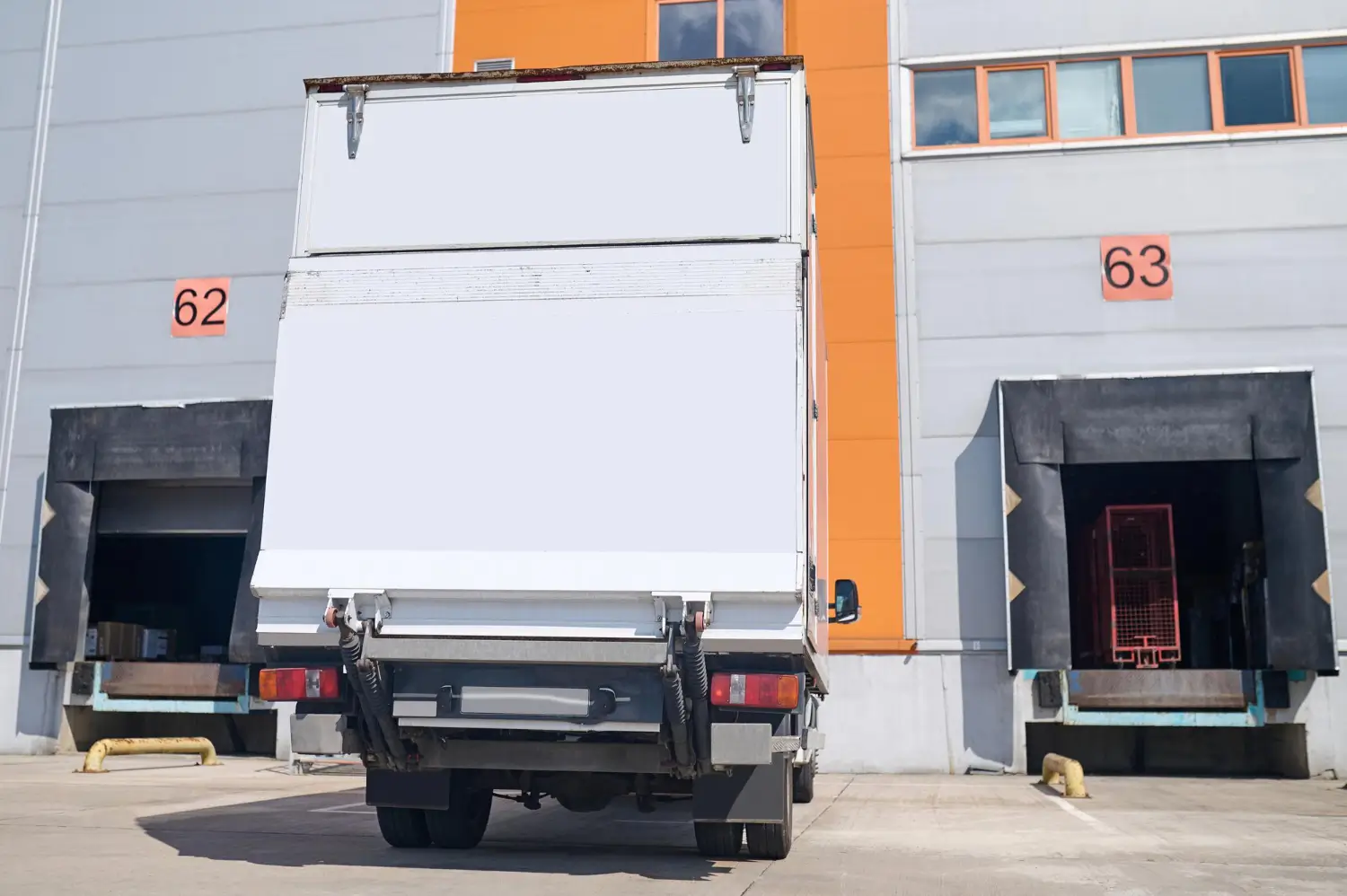
Contract requirements vary depending on who you haul for. While each business is different, common carrier requirements include:
Final Mile / Last-Mile Delivery
Often requires higher cargo limits due to high-value consumer goods.
Freight Brokers
Typically require proof of:
- Primary liability
- Cargo coverage
Moving Companies
May require:
- Higher liability limits
- Specialized cargo coverage
Understanding these requirements helps you stay compliant and avoid coverage gaps—and G&G Independent Insurance is here to assist you every step of the way.
How to Choose the Right Coverage for Your Box Truck
Your ideal policy depends on factors like:
- What you haul
- Route distance (local vs. regional)
- Truck value (ex, insurance for a 26ft box truck)
- Driver experience
- Contract requirements
A new operator might only need liability, physical damage, and cargo. A seasoned fleet may need rental reimbursement, equipment coverage, and higher limits.
Frequently Asked Questions
What does commercial box truck insurance cover?
Liability, physical damage, cargo, medical payments, optional add-ons, and more.
Is cargo insurance included automatically?
No—cargo must be added separately.
What types of insurance do I need for a box truck?
At minimum: primary liability + physical damage.
Do Amazon Relay drivers need special coverage?
Yes—Amazon sets specific liability and cargo minimums.
Does box truck insurance cover equipment?
Only if you add equipment or inland marine coverage.
Does my driving record affect my rate?
Yes—clean records help lower premiums.
Get the Right Commercial Box Truck Insurance Coverage Today
Protecting your business starts with choosing the right insurance partner. Whether you operate a single truck or manage a growing fleet, G&G Independent Insurance helps you compare top carriers, customize your policy, and stay compliant with delivery partners.
Get a fast, personalized commercial box truck insurance quote from G&G Independent Insurance today.