
Last updated: February 7, 2026
Pet insurance helps pet owners manage the cost of veterinary care. It offers peace of mind by covering many medical expenses, from routine visits to major surgeries.
Like health insurance for people, pet insurance helps pay for care when your pet gets sick or injured. Coverage depends on the policy you choose.
Types of Pet Insurance Coverage
Pet insurance plans come in several options. Each one covers different needs.
Common Coverage Types
- Accident-only coverage
Covers injuries from accidents, such as broken bones or cuts. - Illness coverage
Covers diseases, infections, and many medical conditions. - Comprehensive coverage
Includes both accident and illness protection. This is the most complete option. - Wellness coverage (optional)
Helps pay for routine care like:- Vaccines
- Annual check-ups
- Dental cleanings
Wellness plans usually do not cover surgeries related to illness or injury.
Surgical Coverage in Pet Insurance
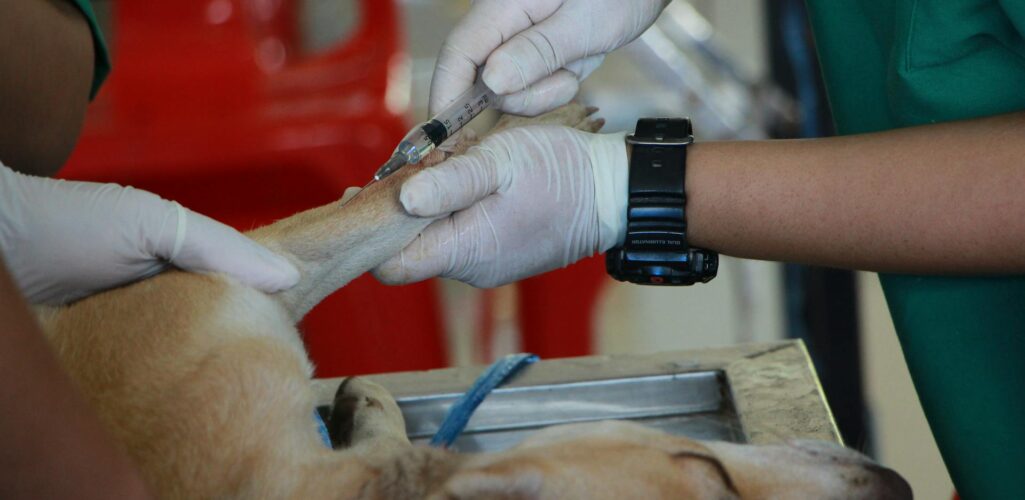
Many pet insurance policies cover surgery, including accidents and illnesses. Some policies may also include spaying and neutering as part of surgical coverage. For a full breakdown of how pet insurance covers spaying, visit this guide: Does Pet Insurance Cover Spaying?.
What’s Usually Covered
- Surgery from accidents (fractures, wounds)
- Surgery related to illnesses (tumors, organ issues)
Important Things to Know
- Pre-existing conditions are not covered
- Waiting periods may apply
- Coverage limits and deductibles affect costs
Always review your policy so you know what is covered before your pet needs surgery.
How to Choose the Right Pet Insurance Policy
Choosing the right plan depends on your pet and your budget.
Consider These Factors
- Your pet’s age and breed
- Health risks common to your pet
- Monthly premium and deductible
- Coverage for surgeries and emergencies
What to Check Before Buying
- Policy exclusions and limits
- Waiting periods for surgery
- Customer reviews and claim experience
- Freedom to choose your own veterinarian
A good policy balances cost and coverage while meeting your pet’s health needs.
How to File a Claim for Surgery
Filing a claim is usually straightforward.
Step-by-Step Process
- Visit a licensed veterinarian
- Get a diagnosis and treatment plan
- Submit records and documents to the insurer
- Wait for claim review and approval
- Receive reimbursement (after deductible)
Staying organized helps speed up the process.
Final Thoughts
Pet insurance can help cover costly surgeries and unexpected vet bills. Coverage depends on the plan you choose and when you enroll.
To get the most value:
- Enroll early
- Understand waiting periods
- Review coverage details carefully
With the right policy, you can focus on your pet’s health—not the stress of medical costs.
Get a Free Pet Insurance Quote
Call G&G Insurance today to explore your options and protect your pet with confidence. Get a free quote today!