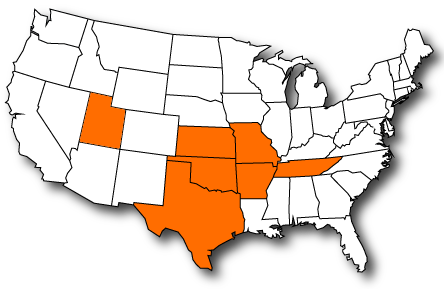
Missouri Habitational Insurance Options
Property owners in Missouri typically choose from three main coverage levels:
-
Basic Form: Covers only specific risks listed in the policy, such as fire or theft.
-
Broad Form: Includes everything in Basic, plus extra risks like water damage or structural collapse.
-
Special Form: The most complete protection. It covers all risks except for a few specific exclusions listed in the fine print.
How Missouri Differs from Other States
Missouri has unique risks like frequent tornadoes and river flooding. Because of this, standard policies here often have different requirements than those in calmer regions. It is vital to work with a local expert who knows these regional dangers.
Why Habitational Insurance is Essential in Missouri?
1. Rules and Regulations
While Missouri law doesn't strictly mandate habitational insurance for everyone, it is often required by:
-
Lenders: Banks require coverage to protect their loan.
-
Property Managers: Most management contracts require active insurance.
-
Local Ordinances: Some cities have specific rules for multi-family units or high-risk areas.
2. Local Climate Risks
Missouri’s weather is unpredictable. Policies must be strong enough to handle:
-
Severe Weather: Thunderstorms, tornadoes, and ice storms.
-
Flooding: Standard policies usually do not cover floods. Since Missouri has many rivers, separate flood insurance is often a necessity.
3. Location Factors
-
Urban (St. Louis/Kansas City): Higher population density and property values often mean higher liability risks.
-
Rural: Properties may face different risks, such as environmental factors or limited fire department access.

Factors Affecting Habitational Insurance Premiums in Missouri
In Missouri, insurance companies look at these key factors to set your price:
-
Location: Is the property in a high-crime area or a flood zone?
-
Age and Condition: Older buildings with outdated wiring or plumbing cost more to insure.
-
Occupancy Type: Properties with high tenant turnover (like student housing) are considered higher risk.
How to Lower Your Insurance Costs
You can reduce your monthly payments by following these steps:
-
Boost Security: Add better lighting and alarm systems to prevent theft.
-
Stay Proactive: Perform regular maintenance to stop small issues from becoming expensive claims.
-
Higher Deductibles: If you pay more out-of-pocket during a claim, your regular premium goes down.
Common Exclusions (What is NOT covered)
Most standard Missouri policies exclude:
-
Flood Damage: Requires a separate policy.
-
Earthquakes: Usually requires a special "add-on" (endorsement).
-
Wear and Tear: Insurance does not pay for damage caused by a lack of maintenance.
What Our Customers Say
Choosing the Right Provider
When shopping for Missouri insurance, look for:
-
Experience: Choose a company like G&G Insurance that understands the Missouri market.
-
Specific Coverage: Ensure the policy fits your specific building type.
-
Claims Support: You need a team that responds quickly after a storm.
How to Assess Your Coverage Needs
Every property is different. To find the right "amount" of insurance, you and your agent should look at three main areas:
1. Property Location
-
Proximity to Services: How close is the building to a fire station or hydrant?
-
Local Hazards: Is the property in a known flood zone or an area with high crime rates?
-
Urban vs. Rural: City properties may need higher liability limits, while rural properties might focus more on specialized weather protection.
2. Construction Type
-
Rebuilding Cost (Not Market Value): You should insure your property for what it costs to rebuild from scratch today. This is often different from what you paid for it or what it would sell for.
-
Materials Used: Buildings made of brick or stone are often cheaper to insure than wood-frame buildings because they resist fire better.
-
Age of Systems: Newer roofs, plumbing, and electrical systems can lower your risk and your premium.
3. Occupancy and Use
-
Tenant Type: Who lives there? Student housing or short-term rentals often have higher premiums than long-term family leases.
-
Loss of Income: If a fire makes your property unlivable, "Loss of Rents" coverage pays you the rent you would have collected while it's being fixed.
Conclusion
Securing habitational insurance is a vital step for any Missouri property owner. It is your safety net against expensive repairs, legal lawsuits, and the loss of your rental income.
By understanding your options and Missouri’s specific weather risks, you can make smart choices that protect your hard-earned investment.
Secure Your Missouri Property Today!
Don't leave your investment to chance. Get a customized plan that fits your specific needs.