Selecting the right habitational insurance is an important part of owning rental property. Whether you own a single-family home, duplex, condo, or apartment building, the right policy protects your investment from unexpected risks.
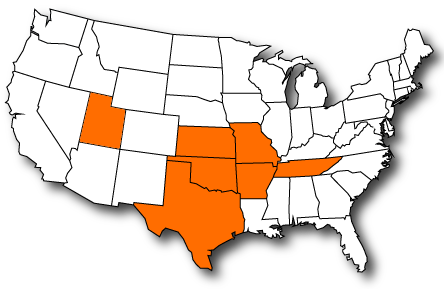
Property owners in Arkansas and Missouri face unique challenges, including severe weather and regional regulations. Understanding these risks can help you choose the right coverage.
This guide explains:
- What habitational insurance is
- The types of coverage available
- Key risks in Arkansas and Missouri
- Tips for choosing the best policy
For a broader overview of home protection, see our Comprehensive Guide to Homeowners Insurance.
What Is Habitational Insurance?
Habitational insurance is a type of property insurance designed for rental properties. It protects landlords from financial losses related to property damage, liability claims, and lost rental income.
A typical habitational insurance policy may cover:
- Property damage from storms, fire, or vandalism
- Liability claims if someone is injured on the property
- Loss of rental income after covered damage
- Legal expenses from liability lawsuits
This coverage helps property owners manage unexpected events while protecting their income and assets.
Key Considerations for Habitational Insurance
Property owners in Arkansas and Missouri should consider several factors when choosing coverage.
Climate and Natural Disasters
Both states experience severe weather that can impact insurance needs.
Arkansas
Arkansas is known for:
-
Tornadoes
-
Strong thunderstorms
-
Occasional flooding
-
Earthquake risk in some regions
Missouri
Missouri experiences many of the same risks, including:
-
Tornadoes
-
Severe storms
-
Flooding
-
Earthquake risk from the New Madrid Seismic Zone
These regional risks make strong insurance coverage essential.
State Regulations and Requirements
Insurance laws can also affect your coverage choices.
Important factors include:
Building Codes
Properties that follow modern building codes may qualify for:
- Lower insurance premiums
- Better coverage options
Mortgage Requirements
Habitational insurance is usually not required by state law, but most mortgage lenders require property insurance.
Landlords are also responsible for maintaining safe living conditions, which increases the importance of proper coverage.
For more information about local coverage requirements, see our article on Homeowners Insurance in Missouri.
Insurance Needs by Property Type
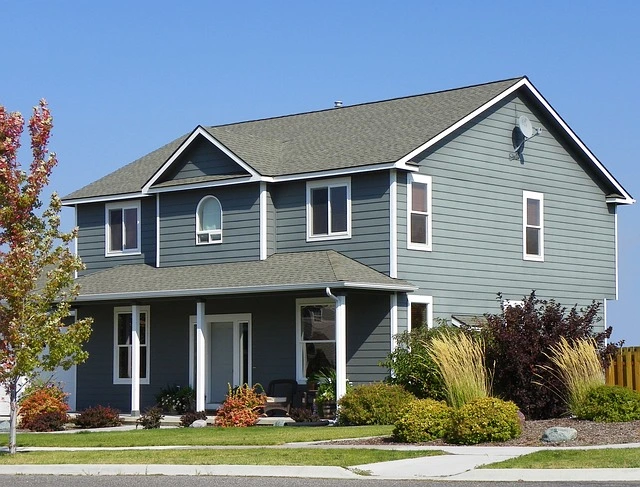
Single-Family Homes
Typical coverage includes:
- Loss-of-use or rental income protection
- Dwelling protection for the home
- Liability protection
- Coverage for other structures
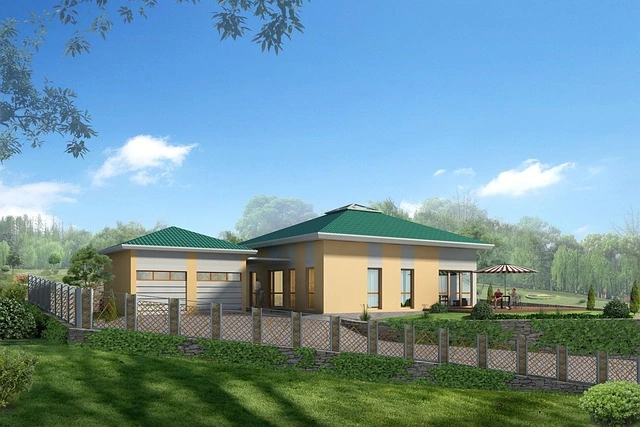
Multi-Family Properties
Properties with multiple units often require broader coverage, including:
- Full building protection
- Coverage for shared spaces
- Liability for tenant injuries
- Rental income protection
Condos
Condos usually involve two policies:
- An individual policy for the unit owner’s property and liability
- A master policy for the building and common areas
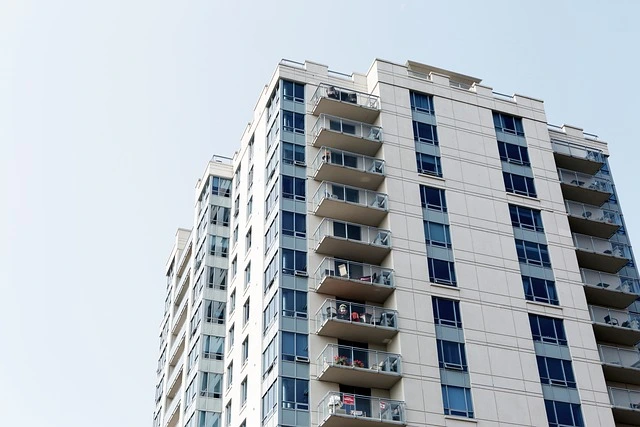
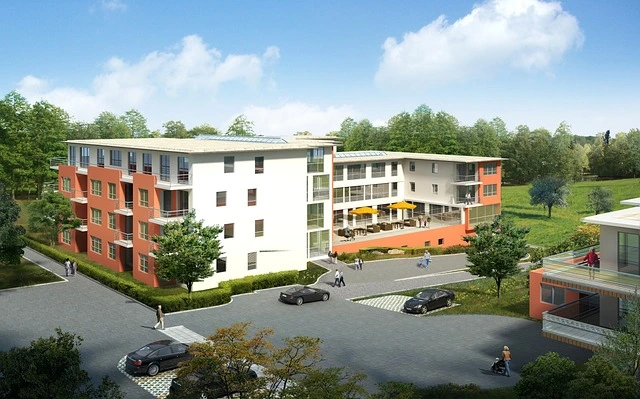
Apartment Buildings
Apartment complexes typically need more extensive coverage, such as:
- Additional protection for amenities like pools or gyms
- Building structure coverage
- Liability protection
- Loss of rental income coverage
Types of Habitational Insurance Coverage
Property Damage Coverage
This protects the physical property.
Common coverages include:
Dwelling Coverage
Protects the structure against risks such as:
- Fire
- Wind
- Hail
- Storm damage
Coverage limits should match the cost to rebuild the property, not its market value.
Other Structures Coverage
Protects detached structures such as:
- Garages
- Fences
- Storage sheds
Personal Property Coverage
Covers property owned by the landlord, including:
- Maintenance tools
- Equipment kept on-site
For more on protecting different structures and personal property, see our article on Renters Insurance: What You Need to Know.
Liability Coverage
Liability coverage protects landlords from legal claims.
General Liability
Covers costs if someone is injured on the property, including:
- Medical bills
- Legal fees
- Court settlements
Medical Payments Coverage
Pays for small medical expenses if a visitor is injured on the property, even if the landlord is not at fault.
Loss of Rental Income Coverage
If a covered event makes a property unlivable, this coverage helps replace lost rent.
It can help landlords:
- Maintain cash flow
- Continue paying mortgages
- Cover ongoing property expenses
Additional Coverage Options
Some risks require separate insurance policies.
Flood Insurance
Standard property insurance does not cover flooding.
Property owners in flood-prone areas should consider flood insurance through:
- The National Flood Insurance Program (NFIP)
- Private insurers
Earthquake Insurance
Because of the New Madrid Seismic Zone, earthquake coverage may be important for properties in both states.
Earthquake policies can cover:
- Structural damage
- Foundation repairs
- Building reconstruction
Umbrella Insurance
Umbrella policies add extra liability protection beyond the limits of your primary insurance.
This coverage can help protect landlords from large lawsuits.
Insurance needs vary by location. Property owners in Arkansas and Missouri face several natural hazards that can impact coverage needs.
Tornadoes and Severe Storms
Both states experience frequent storms and tornadoes. Habitational insurance should include coverage for:
-
Wind and hail damage
-
Roof and exterior repairs
-
Structural damage
-
Debris removal
Some insurers also offer windstorm endorsements for additional protection.
Flood Risk
Flooding can occur in many areas, especially near rivers and low-lying land.
Keep in mind:
-
Standard property insurance does not cover flood damage
-
Properties in FEMA flood zones may require flood insurance
-
Flooding can still happen outside high-risk areas
Many landlords purchase separate flood insurance through the National Flood Insurance Program (NFIP) or private insurers.
Earthquake Risk
Parts of both states are affected by the New Madrid Seismic Zone, which creates earthquake risk.
Because standard property policies typically exclude earthquake damage, property owners often consider adding separate earthquake coverage to help pay for:
-
Structural repairs
-
Foundation damage
-
Building reconstruction
For more details, see our guides on Habitational Insurance in Arkansas and Habitational Insurance in Missouri.
Common Habitational Insurance Mistakes to Avoid
Avoiding these common mistakes can help protect your investment.
Underinsuring the Property
Many property owners insure based on market value instead of replacement cost.
Coverage should reflect the full cost to rebuild the property.
Not Having Enough Liability Coverage
Tenant or visitor injuries can lead to costly claims.
Adequate liability coverage helps pay for:
- Medical expenses
- Legal costs
- Lawsuits and settlements
Ignoring Policy Exclusions
Insurance policies do not cover everything.
Common exclusions include:
- Normal wear and tear
- Poor maintenance
- Certain natural disasters
Always review your policy carefully.
Failing to Update Coverage
Insurance should be reviewed regularly.
Update your policy if you:
- Renovate the property
- Expand the building
- Increase the property’s value
- Change how the property is used
Regular updates help ensure your coverage stays accurate.
Tips for Choosing the Right Policy
Use these steps when selecting habitational insurance.
Assess Property Risks
Consider factors such as:
- Location
- Property type
- Local weather hazards
Compare Multiple Quotes
Review policies from several insurers to compare:
- Coverage limits
- Premium costs
- Deductibles
If you’re concerned about increasing premiums, explore our guide on affordable habitational insurance and how to navigate rising costs.
Work With a Local Insurance Agent
An experienced local agent can help you:
- Understand regional risks
- Compare policy options
- Identify coverage gaps
Annual policy reviews can also help keep your coverage up to date.
Ways to Lower Insurance Costs
Many insurers offer discounts.
Common options include:
- Bundling policies (home, auto, landlord insurance)
- Installing security systems
- Adding smoke detectors or sprinkler systems
- Maintaining a claims-free history
These steps can help reduce long-term insurance costs.
Conclusion
Choosing the right habitational insurance in Arkansas and Missouri requires understanding:
- Local weather risks
- State regulations
- Your property’s unique needs
With the right policy, landlords can protect their property, income, and long-term investment.
If you are facing rising insurance premiums, explore our guide on strategies for controlling insurance costs.
Ready to protect your property?
Contact G&G Insurance for a personalized quote and expert guidance.
Visit our Get a Quote page or call 479-802-0086 to speak with a local insurance specialist.
Protect your investment with the right coverage today.