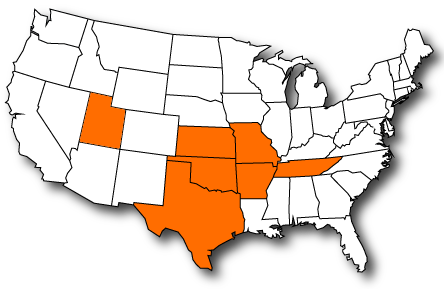
Selecting the right habitational insurance is a crucial aspect of property ownership, whether you own a single-family home, a multi-family property, a condo, or an apartment building. In Arkansas and Missouri, understanding the specific insurance needs for various types of properties can help ensure comprehensive coverage.
This guide aims to provide an in-depth overview of habitational insurance for different property types in these states, addressing key considerations, types of coverage, and tips for choosing the best policy.
For more detailed information on general homeowners insurance, check out our Comprehensive Guide to Homeowners Insurance.
Understanding Habitational Insurance
Habitational insurance, also known as property insurance or landlord insurance, provides coverage for residential properties that are rented out to tenants. This type of insurance typically includes protection against property damage, liability claims, and loss of rental income. It’s designed to safeguard property owners from financial losses due to unforeseen events such as natural disasters, theft, vandalism, and accidents.
Key Considerations for Habitational Insurance in Arkansas and Missouri
Climate and Natural Disasters
Both Arkansas and Missouri are prone to specific natural disasters that can impact insurance needs:
Arkansas: Known for its severe weather, including tornadoes, thunderstorms, and occasional flooding. Earthquakes are also a concern in some parts of the state.
Missouri: Experiences a similar range of severe weather, including tornadoes, thunderstorms, and flooding. Additionally, the New Madrid Seismic Zone poses a risk for earthquakes.
State Regulations and Requirements
Both states have regulations that impact habitational insurance:
Building Codes: Adhering to state and local building codes can influence insurance premiums and coverage options. Properties that meet modern codes may qualify for lower rates.
Insurance Requirements: While there is no state law mandating habitational insurance, mortgage lenders typically require it. Also, landlords are often legally responsible for maintaining habitable conditions, underscoring the need for adequate insurance.
For a detailed look at homeowners insurance in Missouri, check out our article on Homeowners Insurance in Missouri.
Property Types and Their Unique Needs
Different property types have distinct insurance needs:
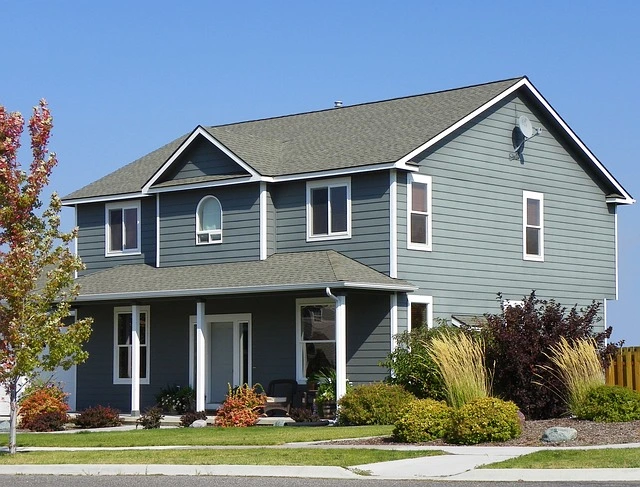
Single-Family Homes: Typically require coverage for the dwelling, personal property, liability, and loss of use.
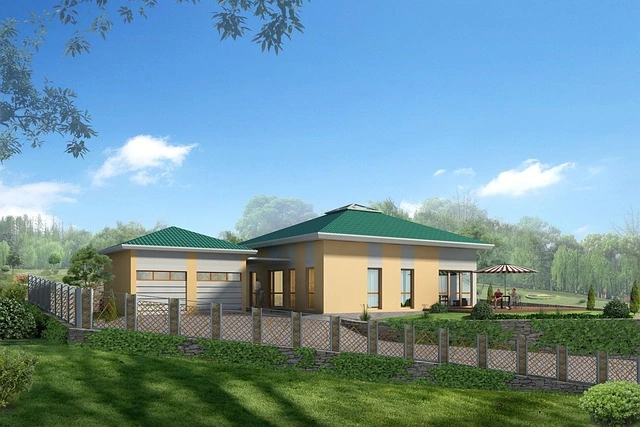
Multi-Family Properties: Need comprehensive coverage for multiple units, including building structure, common areas, liability, and potential loss of rental income.
Condos: Often involve a master policy covering the building and common areas, with individual unit owners needing additional coverage for their unit and personal property.
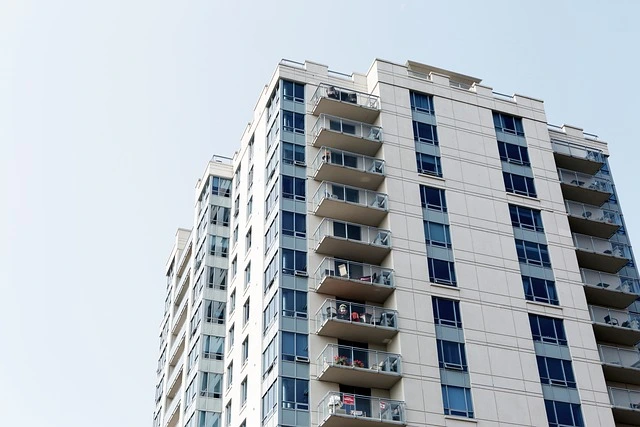
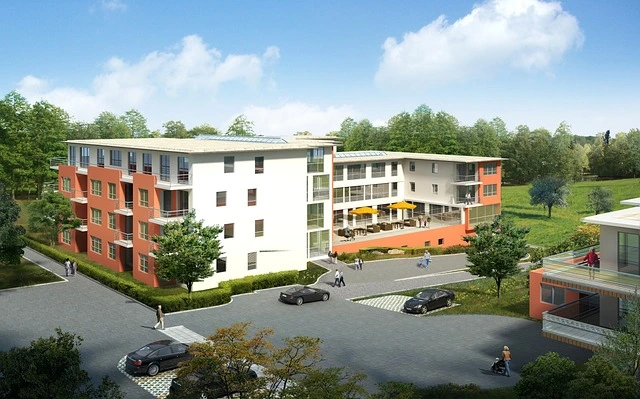
Apartment Buildings: Require extensive coverage, including building structure, liability, loss of rental income, and potentially additional policies for amenities like swimming pools or gyms.
Types of Coverage
Property Damage Coverage
Dwelling Coverage: Protects the physical structure of the property against risks like fire, wind, hail, and other perils. It’s crucial to ensure the coverage amount reflects the cost of rebuilding the property.
Other Structures Coverage: Covers detached structures on the property, such as garages, sheds, and fences.
Personal Property Coverage: While landlords typically do not need coverage for tenant belongings, this protects any personal property the landlord keeps on-site, such as maintenance equipment.
For more on protecting different structures and personal property, see our article on Renters Insurance: What You Need to Know.
Liability Coverage
General Liability: Protects against legal claims if someone is injured on the property or if the property damage causes harm to others. This includes medical expenses, legal fees, and settlement costs.
Medical Payments to Others: Provides coverage for minor medical expenses if a guest is injured on the property, regardless of fault.
Loss of Income Coverage
Loss of Rental Income: Compensates for lost rental income if the property becomes uninhabitable due to a covered peril. This ensures landlords can continue to meet financial obligations even when rental income is interrupted.
Additional Coverage Options
Flood Insurance: Standard policies typically do not cover flood damage. Properties in flood-prone areas should consider purchasing separate flood insurance through the National Flood Insurance Program (NFIP) or private insurers.
Earthquake Insurance: Given the seismic risk in both states, especially in Missouri, earthquake insurance can be a vital addition to a habitational insurance policy.
Umbrella Insurance: Provides additional liability coverage beyond the limits of the primary policy, offering extra protection against major claims and lawsuits.
Tips for Selecting the Best Policy
Assessing Coverage Needs
Evaluate Property Risks: Conduct a thorough risk assessment of the property, considering location, property type, and potential hazards.
Understand Policy Exclusions: Carefully review policy exclusions to ensure no gaps in coverage for potential risks.
Compare Quotes: Obtain quotes from multiple insurers to compare coverage options, limits, and premiums.
Consider Deductibles: Higher deductibles can lower premiums, but ensure the deductible is affordable in the event of a claim.
Working with an Insurance Agent
Local Expertise: Choose an agent familiar with the specific risks and regulations in Arkansas and Missouri. They can provide valuable insights and recommendations tailored to the region.
Reviewing Policy Options: An agent can help compare different policies and coverage options, ensuring the chosen policy meets the property’s unique needs.
Regular Policy Reviews: Conduct annual reviews with the agent to adjust coverage as needed, considering changes in property value, upgrades, and emerging risks.
Leveraging Discounts
Bundling Policies: Many insurers offer discounts for bundling multiple policies, such as combining habitational insurance with auto or personal home insurance.
Safety and Security Measures: Implementing safety features like security systems, smoke detectors, and sprinkler systems can lead to premium discounts.
Claims-Free Discount: Maintaining a claims-free history can result in lower premiums over time.
Specific Considerations for Arkansas Properties
Tornado and Windstorm Coverage
Arkansas is located in Tornado Alley, making windstorm coverage essential. Ensure the policy includes coverage for tornado and wind damage, and consider additional riders for windstorm damage if necessary.
Flood Zones
Check if the property is in a designated flood zone. Properties in flood-prone areas should have flood insurance, as standard policies do not cover flood damage.
Earthquake Risk
While not as common, certain areas in Arkansas are at risk for earthquakes. Evaluate the need for earthquake insurance, especially for properties near fault lines.
For an in-depth look at habitational insurance in Arkansas, visit our Ultimate Guide to Habitational Insurance in Arkansas.
Specific Considerations for Missouri Properties
Earthquake Insurance
Missouri’s New Madrid Seismic Zone poses a significant earthquake risk. Earthquake insurance is highly recommended for properties in this area.
Flooding and Water Damage
Missouri experiences frequent flooding, especially in low-lying areas and near rivers. Flood insurance is crucial for properties in these regions.
Tornado Risk
Like Arkansas, Missouri is also susceptible to tornadoes. Ensure the policy includes adequate windstorm and tornado coverage.
For a comprehensive overview of habitational insurance in Missouri, check out our detailed guide on Habitational Insurance in Missouri.
Common Pitfalls to Avoid
Underinsuring the Property
One of the most common mistakes is underinsuring the property. Ensure the coverage amount reflects the current replacement cost of the property, not just its market value.
Ignoring Liability Coverage
Liability claims can be financially devastating. Please do not skimp on liability coverage; ensure it is sufficient to protect against potential lawsuits and medical expenses.
Overlooking Exclusions and Limitations
Carefully review policy exclusions and limitations. Common exclusions include wear and tear, maintenance issues, and certain natural disasters. Make sure there are no gaps in coverage for significant risks.
Failing to Update Coverage
As property values and risks change, it’s essential to update the insurance policy regularly. Major renovations, additions, or changes in the property’s use should prompt a review and adjustment of coverage.
Conclusion
Selecting the right habitational insurance for properties in Arkansas and Missouri involves understanding the specific risks, state regulations, and unique needs of different property types. By carefully assessing coverage needs, working with knowledgeable insurance agents, and staying informed about local risks, property owners can ensure comprehensive protection.
Regular policy reviews and adjustments, along with leveraging discounts and safety measures, can further enhance the value and effectiveness of the insurance coverage. With the right approach, property owners in Arkansas and Missouri can safeguard their investments and maintain peace of mind in the face of potential hazards.
Ready to protect your property with the best habitational insurance? Contact G&G Independent Insurance today for a personalized quote and expert advice tailored to your specific needs. Visit our Get a Quote page or call us at (555) 123-4567 to speak with a local insurance specialist.
Stay informed, stay protected, and ensure your property is covered against any unforeseen events. Let us help you find the perfect insurance policy today!