
As the year comes to a close, most people focus on holiday plans, final budgets, and New Year’s resolutions. One important task often gets overlooked: conducting a year-end insurance audit.
A careful review of your insurance policies helps answer two critical questions:
- Are you overpaying for coverage you no longer need?
- Are you underinsured for the risks that matter most today?
Taking time now to review your coverage can uncover savings, prevent costly gaps, and provide peace of mind as you head into the new year. Below is a step-by-step guide to conducting a comprehensive year-end insurance audit—designed to be helpful whether you’re reviewing coverage anywhere in the U.S., with added insights for Arkansas residents.
Why a Year-End Insurance Audit Matters
Insurance protects your home, vehicles, income, and family—but life changes quickly. Without regular reviews, your policies may fall out of sync with your reality.
A year-end audit can help you avoid:
- Paying for coverage that no longer fits your lifestyle
- Underestimating rebuilding or replacement costs due to inflation
- Missing discounts, bundling opportunities, or policy updates
- Being exposed to financial risk from outdated or insufficient coverage
An annual review ensures your insurance reflects today’s needs, not last year’s assumptions.

Step 1: Gather All Your Insurance Policies
Start by collecting all the policies you currently hold so you can see the full picture. This may include:
- Homeowners or renters insurance
- Auto, motorcycle, RV, or boat insurance
- Life insurance
- Health and disability insurance
- Umbrella or excess liability coverage
- Specialty policies (flood, identity theft, cyber, pet, travel)
Having everything in one place makes it easier to spot overlaps, gaps, and savings opportunities.
Step 2: Review Your Coverage Limits
Coverage limits determine how much protection you actually have when a claim occurs. Limits that haven’t been updated in years can leave you underinsured, while unnecessarily high limits may mean you’re overpaying.
Homeowners & Renters Insurance
- Confirm your dwelling coverage reflects current rebuilding costs, not market value
- Update personal property limits after renovations or major purchases
- Review liability coverage to ensure it matches today’s risk environment
Auto Insurance
- Reevaluate liability limits—state minimums are often not enough
- Confirm collision and comprehensive coverage still make sense for the vehicle value
- Review uninsured and underinsured motorist protection
Life & Disability Insurance
- Ensure coverage reflects current income, debts, and family needs
- Adjust after life events such as marriage, divorce, a new child, or career changes
Step 3: Identify Redundant or Overlapping Coverage
Many people unknowingly pay for duplicate coverage. Common examples include:
- Liability overlap between homeowners, auto, and umbrella policies
- Credit card benefits duplicate travel or rental car insurance
- Employer benefits overlap with private disability or supplemental policies
Removing redundant coverage can lower premiums without reducing protection.
Step 4: Reevaluate Your Deductibles
Your deductible plays a major role in premium costs and out-of-pocket expenses:
- Higher deductibles lower premiums, but increase upfront costs during a claim
- Lower deductibles raise premiums but reduce immediate financial strain
Make sure your deductible aligns with your current savings, income stability, and comfort level.
Step 5: Look for Discounts and Bundling Opportunities
Insurance carriers frequently offer discounts that policyholders miss, especially at renewal time:
- Multi-policy discounts for bundling home and auto
- Safe driver, claims-free, or loyalty discounts
- Employer, association, or affinity group benefits
Even modest adjustments can add up to meaningful savings over time.
Step 6: Assess Emerging and Overlooked Risks
Your risk profile may have changed in the past year. Consider whether your coverage accounts for:
- Natural disasters such as floods, tornadoes, or hurricanes
- Side businesses, consulting, or gig work
- High-value items like jewelry, electronics, or collectibles
- Remote work, frequent travel, or increased online exposure
Addressing these risks proactively helps ensure your insurance responds when you need it most.

Arkansas-Specific Insurance Considerations
While these audit steps apply nationwide, Arkansas residents should pay special attention to:
- Severe weather exposure, including tornadoes, flooding, and hail
- Flood insurance, which is not included in standard homeowners policies
- Rural property considerations, such as outbuildings or farm equipment
- Property rebuilding costs that may not match market values
Local risks and state-specific insurance requirements make it especially important to work with professionals familiar with Arkansas coverage needs.
Step 7: Review Beneficiaries and Policy Details
Insurance planning isn’t just about coverage—it’s also about ensuring benefits go where you intend.
- Confirm beneficiaries on life insurance and related policies
- Update contact information and mailing addresses
- Review exclusions or policy wording changes
Small administrative oversights can cause big problems later
Step 8: Consult a Trusted Insurance Professional
A personal review is valuable, but an experienced insurance agent can uncover details you might miss. An independent agent can:
- Compare coverage across multiple carriers
- Recommend updates based on lifestyle or business changes
- Identify risks specific to your region
- Ensure premiums are competitive without sacrificing protection
For many households and businesses, working with a trusted insurance provider like G&G Independent Insurance offers the professional insight that makes an annual insurance audit truly effective.
Signs You May Be Overpaying
- Coverage you no longer need
- Duplicate or overlapping policies
- Missed discounts or outdated ratings
- Premiums unchanged despite life changes
Signs You May Be Underinsured
- Home replacement costs exceed policy limits
- Liability coverage doesn’t reflect current assets
- Life insurance doesn’t account for new dependents or debts
- Missing coverage for flood, cyber, or specialty risks
Take Action Before the New Year
A year-end insurance audit doesn’t have to be complicated. By reviewing your policies now, you can:
- Reduce unnecessary costs
- Align coverage with life changes
- Identify and close coverage gaps
- Enter the new year with confidence
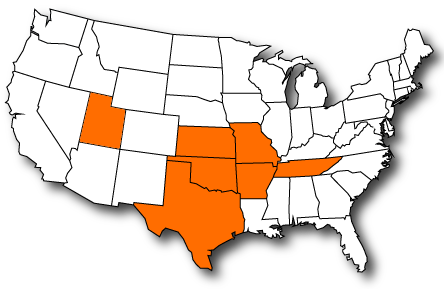
For Arkansas residents, our independent insurance agency offers comprehensive year-end insurance reviews for home, auto, life, business, and specialty coverage. Scheduling an audit now can help ensure you’re properly protected heading into 2026.
For a step-by-step resource, review this insurance checklist for 2026, designed for Arkansas residents, to ensure nothing is overlooked.
Not in Arkansas? Get a free quote from G&G Independent Insurance today and start the new year fully protected.